

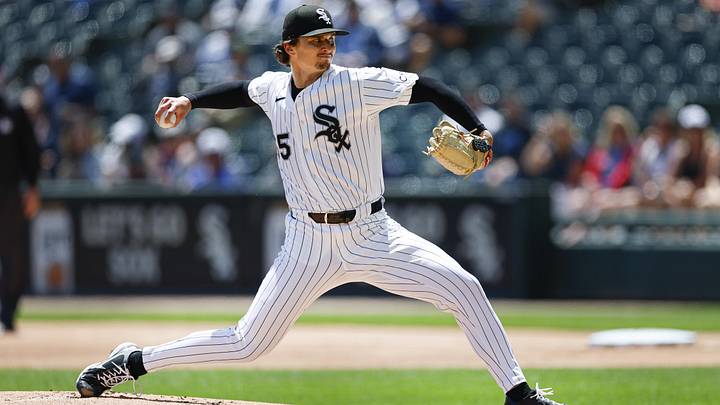
In the interest of full disclosure, this is NOT a "doom and gloom" article crying out that the "sky is falling" and Davis Martin's magical 2026 run is coming to an end (I certainly hope not since he's on my fantasy team) after Tuesday night's loss to the Twins. Rather, it will be what I started working on a few days ago: a piece analyzing the keys behind his success this season.
Davis Martin notches a career-high 10th strikeout ⛽️ pic.twitter.com/e6gJj1fgy3
— MLB (@MLB) May 5, 2026
Davis Martin's 2026 has gone from a fun story to a genuine breakout. But where is the newfound success coming from? After all, Martin entered this season with a career record of 10-32 and an ERA of 4.32 spanning three MLB campaigns. His success seemingly came out of nowhere. There are several reasons for his transformation.
First, he has a larger repertoire of pitches to work with, and he throws any of them in any count. According to Statcast, when he came into the league in 2022, Martin had only four pitches that he threw: a 4-seam fastball, slider, changeup, and a cutter. Combined, he threw his fastball and slider 91% of the time against righties and almost 80% of the time overall. He experimented with a sweeper in 2024 after missing the 2023 season with Tommy John surgery, but phased it out after 2025. Now, Martin utilizes six different pitches and has distributed their usage far more evenly: fastball: 26%, changeup: 17%, sinker: 17%, slider: 15%, cutter 13%, and a curveball 12% of the time. This variety aligns with the current trend in baseball. Overall, his reliance on the traditional fastball and slider combo has dropped dramatically to 41%.
Martin's revamped pitch usage makes hitters look silly at the plate
Second, batters are chasing his pitches that are out of the strike zone more than ever before. Last year, batters had a Chase Rate of 28% when facing Martin. This year, that figure has increased significantly to over 36%. In case you're wondering, the league average is 30.1%. This didn't happen against the Twins this week, and Martin will be the first to admit it. With his breaking balls not working, he had to use his fastball more (35% of his 92 pitches), and the Twins took advantage. The chase rate is certainly related to the pitch variety, as hitters are being out-guessed frequently.
Third, to paraphrase John Lennon and Paul McCartney, Martin is getting more help from his "friends". In 2024, according to MLB.com, the White Sox as a team scored an average of 3.42 runs per 9.0 IP that Martin pitched. In nine of his ten starts, they averaged two runs or less. He finished the year 0-5. However, in 2026, Martin is enjoying 4.32 runs of support, and he is among the league leaders with eight wins. It certainly isn't hurting his confidence on the mound knowing he can attack hitters and his offense will score runs to back him up. The result? a 73/17 K/BB ratio.
All of these factors have combined to make the "new and improved" Martin what he is: a piece for the White Sox to build around. I know the question is out there: "How long can he and the Sox sustain this success?". Let's not worry about that right now; let's just enjoy the ride.
 Add us as a preferred source on Google